🎮 Game Information
- Developer: Monolith Productions (developers of F.E.A.R., Condemned, and later Middle-earth: Shadow of Mordor & Shadow of War)
- Publisher: Warner Bros. Interactive Entertainment
- Release Date: December 5, 2012 (Xbox 360 & PS3) / August 29, 2013 (PC)
- Platforms: PC, PlayStation 3, Xbox 360
- Genre: Multiplayer Online Battle Arena (MOBA)
- Mode: Single-player (offline bot matches), Online Multiplayer (5v5)
- Engine: LithTech Jupiter EX
🛡️ Introduction
I played through Guardians of Middle-earth quite a bit, trying out different characters and builds, both on my own and with other people. It seems like an interesting effort to bring the MOBA style of game to consoles. Instead of trying to go head-to-head with huge games like League of Legends or Dota 2, this game focuses on being easier to get into, having shorter matches, and using well-known characters from Tolkien's stories.
Even though it didn't become as popular as Warner Bros. wanted, there's still a fun action game in there if you can look past some of its rough spots. It's really cool to play as famous characters like Gandalf, Gollum, Sauron, Legolas, and the Witch-king, even if the game as a whole doesn't quite offer enough to keep you hooked for a long time.
🕹️ Gameplay – 7.8/10
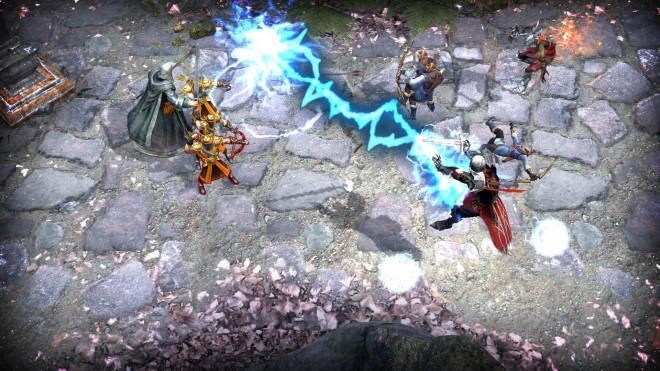
The game plays like a typical MOBA. You need to destroy enemy towers, defeat enemy champions, level up during the game, and finally push into the enemy base. The controls feel natural with a controller, which is different from PC MOBAs.
Every champion has a unique way of playing. Some, like Gandalf, are good at magic from a distance, while others, like Gimli and Sauron, are better up close. There are also champions that help the team by healing, giving buffs, or controlling the enemy, so building a good team is important.
Games are quicker than most MOBAs, usually lasting 20 to 30 minutes. This keeps the action going and means less waiting between fights. Before each game, you can also change your champion's abilities with the relic system to focus on attacking, defending, or supporting.
However, the game doesn't have the same deep strategy as bigger MOBAs. The maps are small, there aren't many different objectives, and once you've played a few champions, it gets harder to progress. Also, the online community is gone, so it's almost impossible to find a multiplayer game now unless you have a group of friends playing.
🎨 Visuals & Art Style – 7.5/10
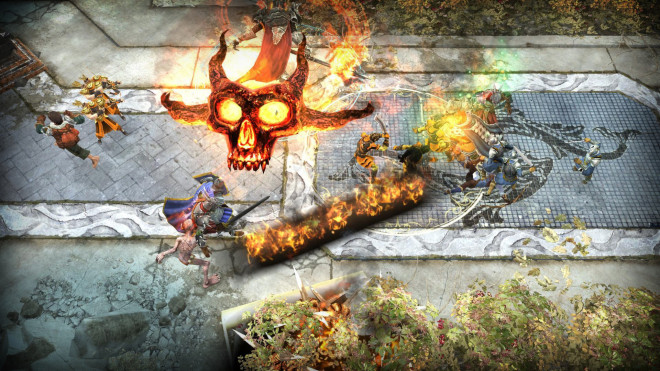
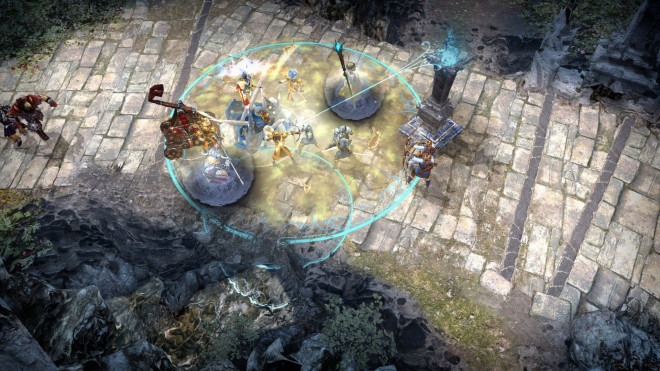
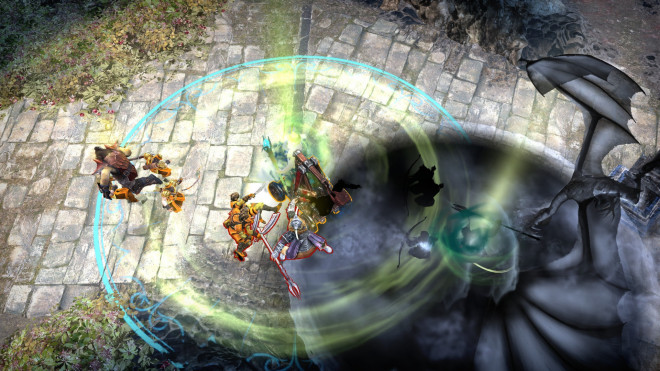
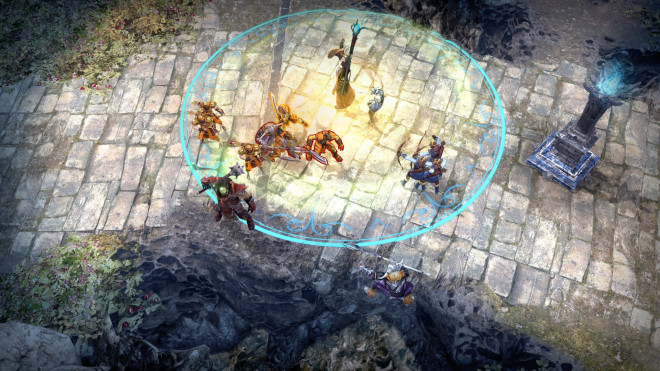
Even though Guardians of Middle-earth came out in 2012 as a downloadable game, it still holds up visually. The characters look like the well-known figures from Tolkien's stories, but with a bit of a fantasy twist. The spell effects are bright and clear, which helps when lots of players are fighting at once, so you can still tell what's going on. The game maps are designed to look like places from Middle-earth, like old castles, woods, and old battlegrounds.
The problem is, there aren't many maps, so the environments get a bit repetitive. Also, some of the textures look pretty old now. The character movements are mostly smooth, but some of the attack animations start to feel the same if you play for a long time.
🔊 Sound & Music – 8.2/10
The audio really brings the fantasy setting to life. The way the abilities sound makes them feel impactful, and the orchestral music fits well with the Lord of the Rings vibe without sounding too much like Howard Shore's movie scores.
The voice acting is a bit mixed among the Guardians, but overall it does a good job of showing off each character's personality. Hearing characters I know shout famous battle cries during fights makes the game feel more real.
The background noise of the battlefield, the magic sounds, and the combat audio all work together to make the matches feel busy and exciting, but not so much that it's hard to follow.
📖 Story & Atmosphere – 6.8/10
Guardians of Middle-earth isn't about telling a big story like other games set in Middle-earth. Instead, it's a battleground where characters from different times in Tolkien's world fight each other. These fights don't follow any specific story.
The game feels good because you can use characters people know, like Gandalf fighting Sauron, or have Gollum team up with Legolas. These kinds of "what if" matchups are fun for fans.
But if you're looking for a deep story or to learn a lot about Middle-earth's history, you might feel like it's lacking. The game mainly uses the Middle-earth setting as a stage for multiplayer fights, not for getting lost in the story.
🐞 Bugs & Technical Performance – 7/10
The game usually worked fine when it was out, but it did have some issues.
Sometimes, when there were a lot of players using special moves all at once, my game would slow down a bit. It was also hard to see enemies who were close to walls or uneven ground because of how the camera was set up. The computer-controlled characters sometimes didn't move around very smartly.
Nowadays, the main problem isn't how fast the game runs, but the online setup. The official servers aren't running anymore, so most people can't play the multiplayer part, which was a really big deal for the game.
🔁 Replayability – 6.5/10
When the game had a lively online community, its replayability was a major strength. Unlocking new Guardians, trying out different relic combos, and getting better at coordinating with a team made every match interesting.
But now, the replay value isn't nearly as high. You can still play against bots offline, but without other players online, a big part of what made the game fun is gone.
Players who want to finish everything can still unlock all the Guardians and try different builds, but most people will probably find there's not much left to do after a while.
🔚 Final Verdict – 7.4/10

AUTHOR INFORMATION


PROS / CONS
- Accessible MOBA gameplay that's easy to learn
- Large roster of iconic Lord of the Rings characters
- Controller-friendly controls
- Fast-paced matches
- Solid soundtrack and voice work
- Official online servers are no longer available
- Limited maps and game modes
- Less strategic depth than major MOBAs
- Repetitive after extended play
- Offline experience feels incomplete