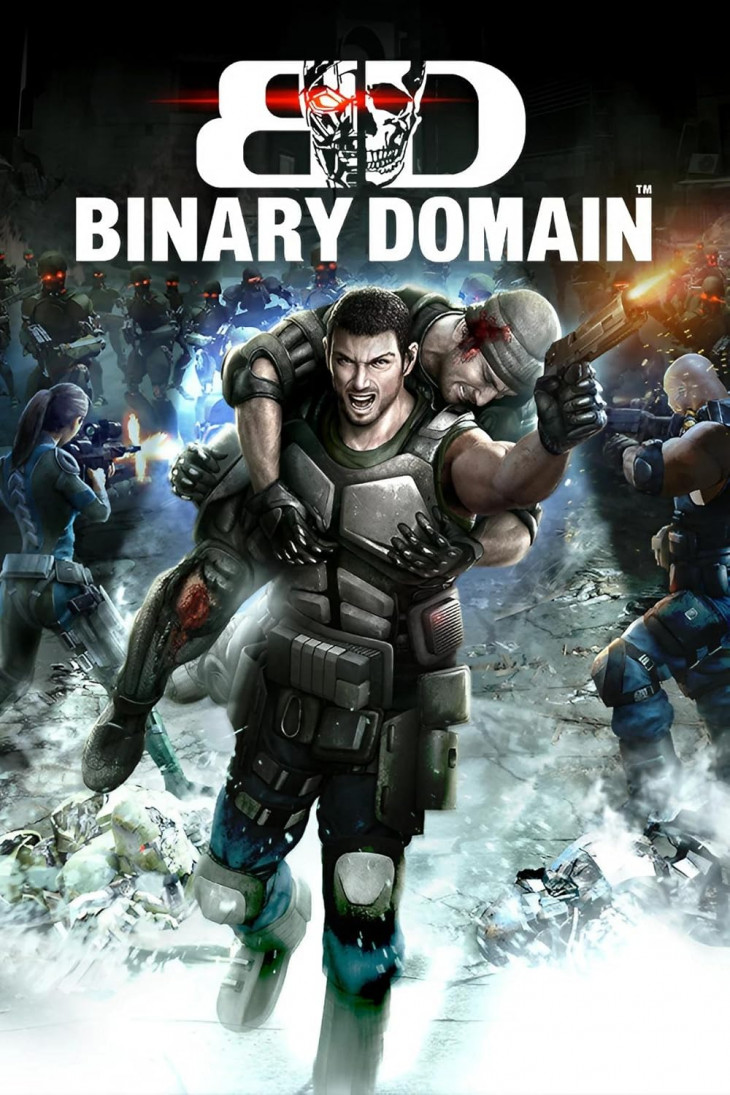
🎮 Game Information
- Developer: Ryu Ga Gotoku Studio
- Publisher: Sega
- Release Date: February 16, 2012
- Platforms: PC, PlayStation 3, Xbox 360
- Genre: Third-Person Shooter / Action
- Mode: Single-player, Multiplayer
- Director: Toshihiro Nagoshi
🤖 Introduction
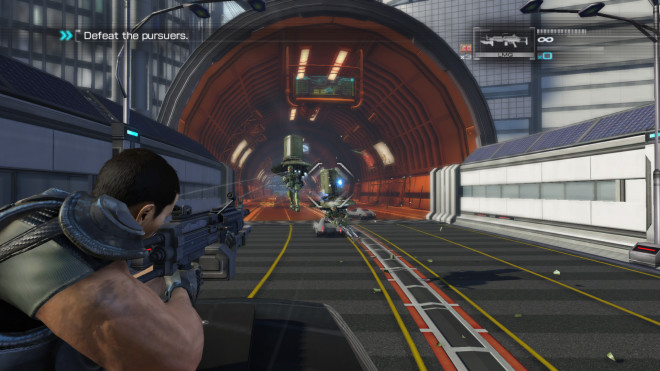
I picked up Binary Domain expecting just another typical third-person shooter, but I ended up finishing one of the most overlooked sci-fi stories of its time. Throughout the game, it mixes squad-based combat with surprisingly thoughtful ideas about AI, what it means to be human, and identity.
After playing through the whole campaign, making important choices, and trying out the different squad interactions, it became clear that this isn’t just about fighting robots. It’s also about how your decisions shape trust, loyalty, and survival. The game can be a bit rough around the edges, but there's something really memorable about it.
🕹️ Gameplay – 8.3/10
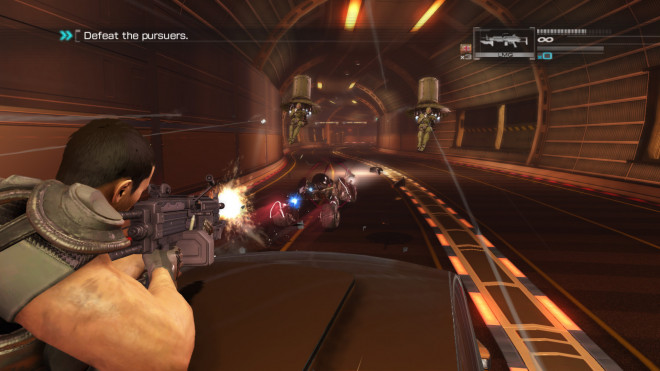
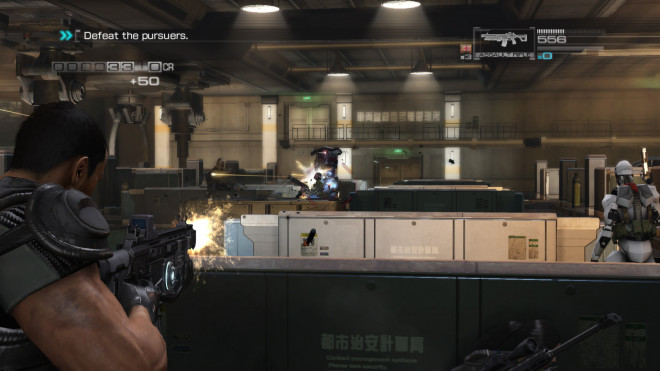
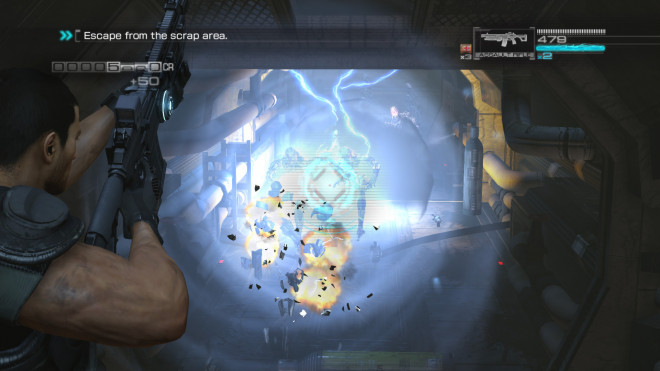
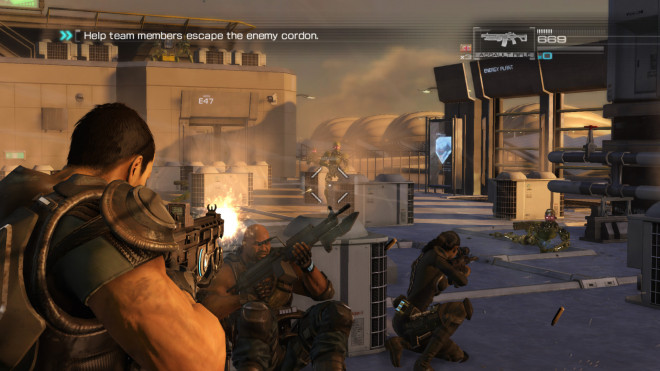
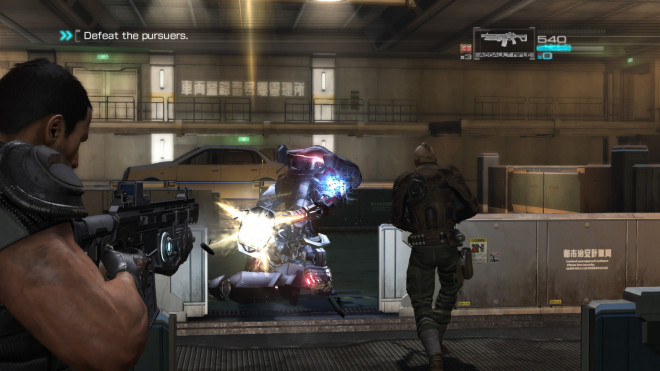
At its core, Binary Domain plays like a regular cover-based shooter, but with a twist: how you deal damage really matters. Shooting robots doesn’t just shrink their health bars, you actually tear them apart. Shoot off their legs, and they start crawling. Take out their heads, and they go crazy, attacking both friends and foes. This feature stays fresh and adds a strategic element to every fight.
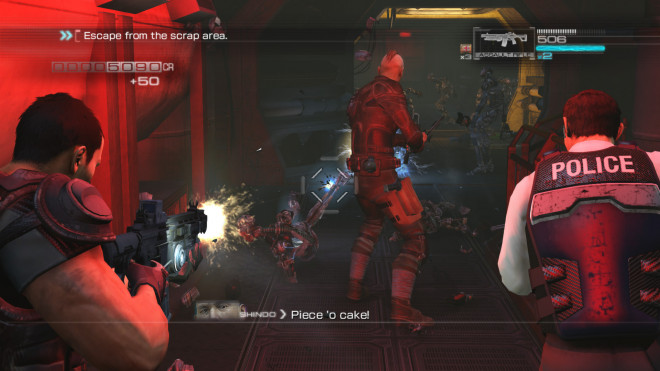
Squad mechanics also play a key role. You can give orders like attack, fall back, or concentrate fire, and your teammates respond in real time. There’s a trust system too: your choices, the way you act in battle, and what you say affect how much your squad looks up to you. High trust brings better help, while low trust can cause hesitation or even clashes.
The voice command feature is a neat idea but doesn’t always work well in practice. Thankfully, you can still rely on regular controls. The combat feels good overall, though fighting the same way can get a bit tiring in longer battles, especially toward the end.
Still, having finished the game, I’d say the mix of enemy dismemberment and squad dynamics kept things interesting right to the last mission.
🎨 Visuals & Art Style – 7.5/10
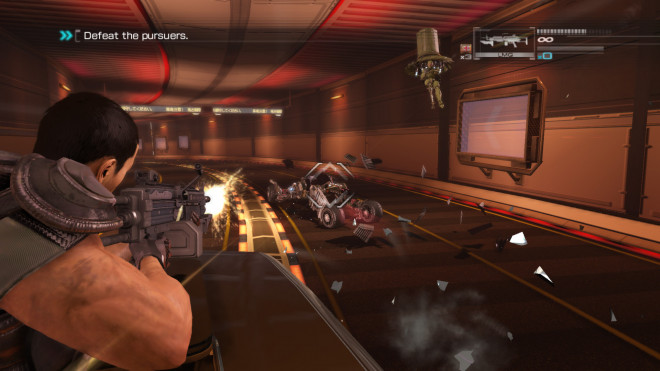
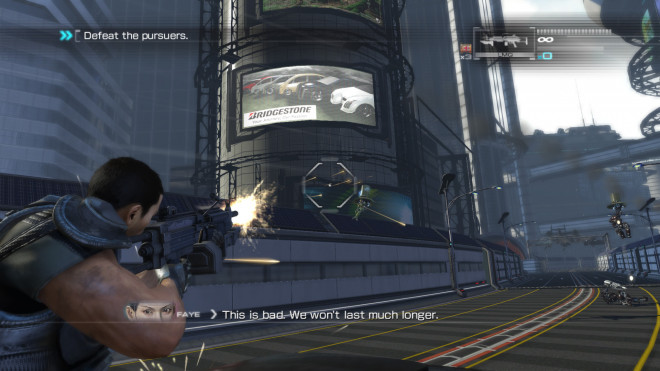
For a 2012 title, the visuals are solid but uneven. The futuristic Tokyo setting stands out, flooded districts, towering skyscrapers, and industrial zones create a believable sci-fi world.
Robot designs are a highlight, especially the way they fall apart during combat. Seeing internal machinery exposed mid-fight adds both realism and spectacle.
However, human character models look dated, and facial animations can feel stiff. Some environments also lack detail compared to standout areas. It’s visually good, but not consistently impressive.
🔊 Sound & Music – 8/10
The audio design works really well with the action. Gunfire sounds hit hard, robotic enemies clank and shatter in a believable way, and the background sounds help draw you into each battlefield.
The soundtrack takes on a cinematic sci-fi style, boosting both fight scenes and story moments without taking over. It may not stick in your head after playing, but it suits the mood really well.
The voice acting stands out, especially in emotional or intense parts. The squad’s casual talk adds character and keeps you feeling involved with your team during the whole campaign.
📖 Story & Atmosphere – 8.8/10
This is where Binary Domain stands out.
Set in a future where robots look just like humans, the story dives into questions about identity, ethics, and what it really means to be alive. As you move forward, the plot shifts from a straightforward military mission to something much deeper.
Your choices matter, not by creating huge story branches, but by affecting how characters react to you and how your relationships develop. The trust system connects directly to the story, so your decisions carry real weight.
The atmosphere is strong all the way through. Whether in war-torn cities or tense underground labs, the game keeps a steady feeling of urgency and moral conflict. By the time the campaign ended, I was truly invested in how things turned out and that’s rare for most shooters.
🐞 Bugs & Technical Performance – 7.2/10
The game runs well overall, especially on modern systems, but there are some rough edges:
- Occasional AI pathing issues
- Teammates sometimes act unpredictably
- Cover system can feel sticky or imprecise
- Minor animation glitches
Nothing game-breaking, but noticeable enough to slightly affect immersion.
🔁 Replayability – 7.5/10
Replay value comes from:
- Different dialogue choices affecting trust
- Alternate squad relationships
- Multiple difficulty levels
- Unlockable weapons and upgrades
While the core story doesn’t drastically change, experimenting with different choices and squad dynamics makes a second playthrough worthwhile.
🔚 Final Verdict – 8.1/10
Binary Domain is one of those shooters that really grows on you the more you play. It begins as a pretty typical action game but gradually turns into a sci-fi story with real emotional depth and interesting squad dynamics.
It’s not without flaws, the gameplay can feel a bit rough in places, and some parts seem a bit old-fashioned, but the story, the gameplay elements, and the mood work together to make something that sticks with you.
If you like shooters that focus on story, offer some unique mechanics, and explore strong themes, this game is definitely worth checking out.

AUTHOR INFORMATION


PROS / CONS
- Unique robot dismemberment system
- Strong, through-provoking sci-fi story
- Squad trust system adds depth
- Good voice acting and character interactions
- Futuristic setting feels immersive
- Voice command system is inconsistent
- Repetitive combat in later sections
- Human visuals and animations are dated
- AI behavior can be unreliable
- Cover mechanics feel slightly clunky